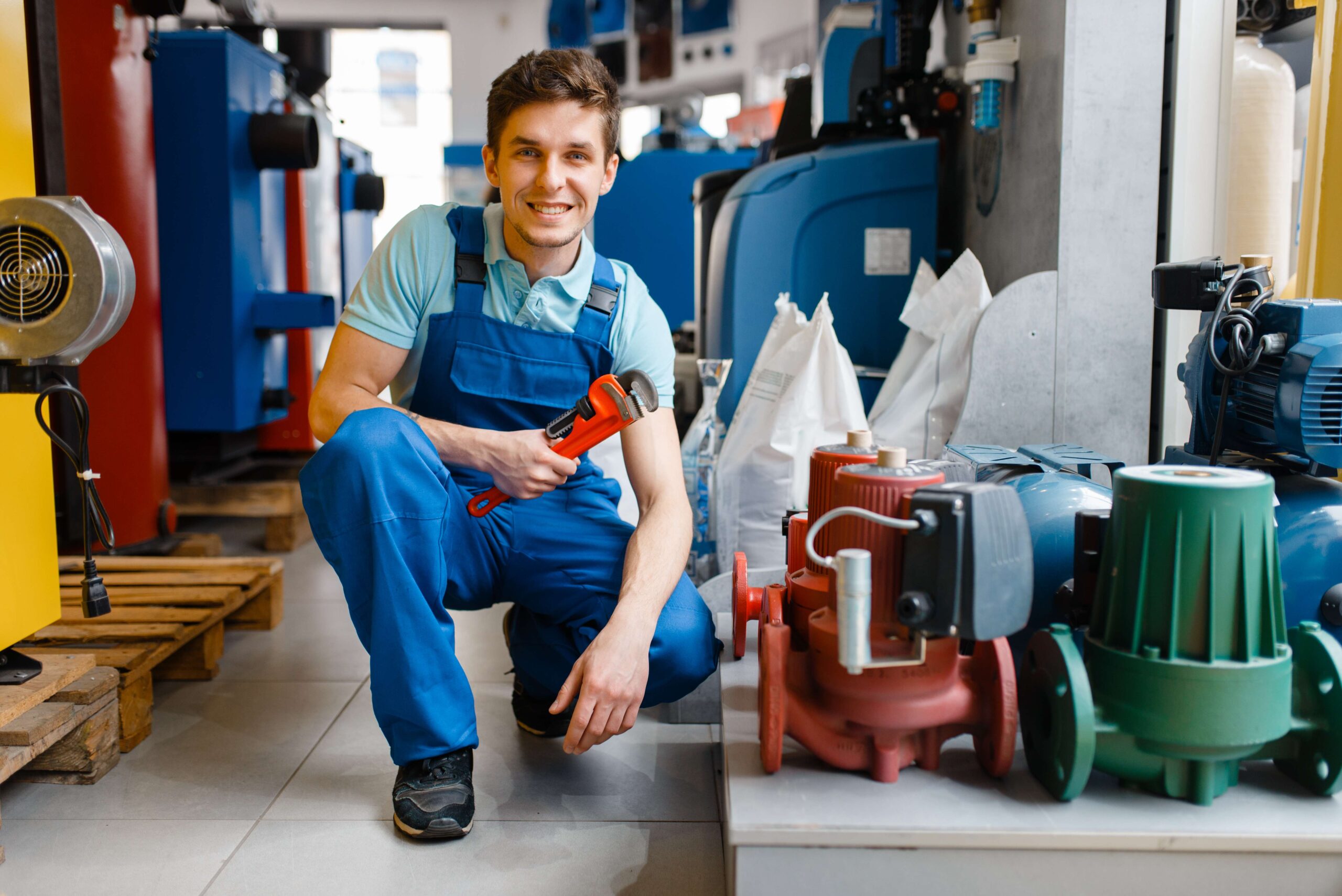
No homeowner wants to deal with leaky pipes, clogged drains, or unexpected water damage. Yet, plumbing problems Canada faces are more common than you might think — especially given our country’s diverse climate, from freezing winters to humid summers. Whether you own a condo in Toronto or a suburban home in Hamilton, plumbing issues and their maintenance should be near the top of your priority list.
Understanding common plumbing issues early can save you thousands in repairs and prevent inconvenient emergencies. In this guide, we’ll walk through the most frequent plumbing challenges Canadian homeowners face, share practical home plumbing tips, and explain when it’s time to call for emergency plumbing Hamilton services.
1. Leaky Faucets and Fixtures
A dripping faucet might seem minor, but over time, that steady drip can waste hundreds of liters of water per year. Among plumbing problems Canadian homeowners encounter, leaky fixtures are among the top offenders.
The culprit is usually a worn-out washer or O-ring inside the faucet. These components degrade naturally with age or from mineral buildup in the water supply.
Home plumbing tip:
Tighten the fixture first to rule out a loose handle. If the leak continues, replace the washer — a simple DIY fix. For persistent leaks, it’s best to call a licensed plumber to inspect for corrosion or pressure issues.
Even small leaks increase your water bill and can lead to larger issues, such as mould or rust, if ignored.
2. Clogged Drains and Toilets
Clogged drains are one of the most common plumbing issues across Canada. They can occur in the kitchen, bathroom, or basement due to grease buildup, soap scum, hair, food particles, or foreign objects.
For toilets, excessive paper use or flushing non-flushable materials (like wipes, cotton swabs, or feminine products) often cause blockages.
Home plumbing tip:
Use a plunger for minor clogs, but avoid overusing chemical drain cleaners — they can corrode your pipes. For tougher blockages, try a plumbing snake or call professionals for hydro jetting.
If multiple drains back up at once, it could indicate a more serious problem in your main sewer line — a situation that often requires emergency plumbing Hamilton experts.
3. Frozen or Burst Pipes
In Canadian winters, temperatures regularly drop below freezing, making frozen pipes a frequent entry on the list of plumbing problems Canadian homeowners deal with. When water freezes, it expands — placing immense pressure on pipes and often leading to bursts.
Frozen pipes not only disrupt your water supply but can also flood your home once they thaw.
How to prevent it:
- Insulate exposed pipes in basements, attics, or exterior walls.
- Keep a trickle of water running in extreme cold to maintain flow.
- Open cabinet doors under sinks to allow warm air circulation.
If you suspect a frozen pipe (reduced water flow, frost on the pipe, or strange noises), shut off your main valve immediately and call emergency plumbing Hamilton professionals to thaw and repair the affected line safely.
4. Low Water Pressure
Low water pressure is another frustrating yet frequent issue. It can make showers weak, dishwashing tedious, and laundry inefficient.
Causes range from simple mineral buildup in aerators to larger concerns such as pipe corrosion, leaks, or municipal supply issues. In older Canadian homes, galvanized steel pipes are especially prone to internal rusting, which restricts flow.
Quick fix:
Clean faucet aerators and showerheads by soaking them in vinegar overnight to dissolve mineral deposits. If that doesn’t help, call a plumber to test for leaks or pipe deterioration.
Ignoring this issue can escalate into major water system failures, so it’s best to act early.
5. Running Toilets
A constantly running toilet can waste thousands of liters of water monthly — a silent budget killer among plumbing problems that Canadian homeowners overlook. The issue typically lies in a faulty flapper, a fill valve problem, or an incorrect float level.
How to fix it:
Lift the tank lid and check the rubber flapper; if it’s worn or misaligned, replace it. If adjusting the float arm or replacing the valve doesn’t stop the water flow, contact a plumber to diagnose deeper mechanical issues.
Beyond water waste, running toilets may indicate pressure imbalances or hidden leaks.
6. Sump Pump Failures
For homeowners in flood-prone or low-lying areas, a functioning sump pump is crucial. Heavy rainfall or melting snow can overwhelm basements, causing serious water damage.
Common causes of sump pump failure include power outages, clogged discharge pipes, or mechanical malfunctions.
Home plumbing tip:
Inspect your sump pump every spring and fall. Pour a bucket of water into the pit to ensure it activates automatically. Consider adding a battery backup system to keep it running during outages.
If your sump pump fails during a storm, call an emergency plumbing Hamilton technician immediately to prevent flooding and foundation damage.
7. Water Heater Problems
Few things are more inconvenient than a cold shower on a winter morning. Water heater issues can stem from sediment buildup, thermostat failure, or worn heating elements.
In regions with hard water (like many parts of Ontario), sediment from minerals accumulates inside the tank, reducing efficiency and causing knocking noises.
Solution:
Flush your water heater once or twice a year to remove sediment. If your unit is over 10 years old or leaking, replacement may be the best option.
For tankless systems, annual descaling is essential to prevent mineral buildup. Many homeowners include this in their annual home plumbing tips checklist.
8. Leaky or Damaged Pipes
Leaky pipes aren’t just wasteful — they’re destructive. Even small leaks can warp flooring, weaken walls, and encourage mould growth.
In Canadian climates, constant temperature fluctuations and water pressure changes can cause pipe joints to loosen over time. Corrosion and aging infrastructure in older homes also contribute significantly.
What to do:
If you spot damp spots, puddles, or musty smells, locate your main shutoff valve and turn off water immediately. Then, call for a professional inspection.
Repairing minor leaks early can save you from major restoration costs later — one of the golden home plumbing tips every homeowner should remember.
9. Sewer Line Backups
A sewer line backup is one of the most dreaded common plumbing issues homeowners can experience. It often starts with slow-draining sinks or gurgling toilets and can escalate into foul odors and water pooling in lower drains.
Tree roots infiltrating pipes, grease buildup, or damaged sewer lines are typical causes. This is especially common in older neighborhoods throughout Hamilton and other Canadian cities.
Prevention steps:
- Avoid flushing grease, paper towels, or hygiene products.
- Schedule routine camera inspections for older sewer lines.
- Consider installing a backwater valve to prevent sewage from entering your home during heavy rain.
When wastewater starts backing up, it’s definitely time to contact an emergency plumbing Hamilton team for immediate assistance.
10. Dripping Outdoor Faucets and Hose Bibs
Outdoor plumbing fixtures often go unnoticed until spring, when they suddenly leak or spray water. After harsh Canadian winters, frost damage and expansion can crack fittings.
Prevention:
Before winter hits, disconnect hoses, drain outdoor faucets, and install insulated covers. In spring, check connections for leaks before regular use. A cracked hose bib might seem minor, but it can cause significant water waste and basement leaks over time.
11. Garbage Disposal Jams
Garbage disposals are convenient but not invincible. Hard or fibrous materials like bones, corn husks, and coffee grounds can jam the blades or clog the drain line.
Quick fix:
Unplug the unit, insert an Allen wrench into the bottom flywheel slot, and rotate to free up stuck debris. Reset using the red button underneath. Always run cold water while operating the disposal to help flush food waste efficiently.
If the motor hums but doesn’t spin, it may be burned out — requiring replacement.
12. Signs You Need Professional Help
While DIY fixes can handle minor issues, some problems demand expert attention. Here’s when to call a plumber:
- Repeated clogs despite cleaning
- Water stains on ceilings or walls
- Persistent low water pressure
- Sewage smells or drain backups
- No hot water or inconsistent heating
- Visible rust or corrosion on pipes
In Hamilton and surrounding cities, many licensed professionals offer 24/7 emergency plumbing services to handle urgent leaks or floods before they cause costly damage.
Preventive Plumbing Checklist
| Task | Frequency | Benefit |
|---|---|---|
| Inspect faucets & pipes | Monthly | Detect small leaks early |
| Clean drains & traps | Monthly | Prevent blockages |
| Flush water heater | Annually | Improve efficiency |
| Insulate exposed pipes | Before winter | Prevent freezing |
| Test the sump pump | Spring/Fall | Avoid basement flooding |
| Check water pressure | Quarterly | Protect fixtures & pipes |
Following this routine minimizes your risk of facing major plumbing problems that Canadian homes experience throughout the year.
Final Thoughts
No one wants to deal with a plumbing emergency, but awareness is your first line of defense. By understanding these common plumbing issues and applying proactive maintenance, you can keep your water systems efficient and reliable year-round.
From inspecting faucets to winter-proofing pipes, consistent care pays off. And when trouble strikes, never hesitate to reach out to a trusted emergency plumbing Hamilton expert — prompt repairs can save your home from severe water damage and costly restoration.
Keep these home plumbing tips handy, and you’ll be better prepared for whatever your pipes throw at you!
FAQ’s
Q1. What are the most common plumbing problems?
A: Leaky faucets, clogged drains, running toilets, low water pressure, and frozen pipes are the most frequent plumbing problems Canadian homeowners encounter.
Q2. How do I prevent plumbing issues at home?
A: Perform regular inspections, clean drains monthly, insulate pipes, and fix leaks promptly. Preventive care minimizes breakdowns and keeps systems running smoothly.
Comments 0