
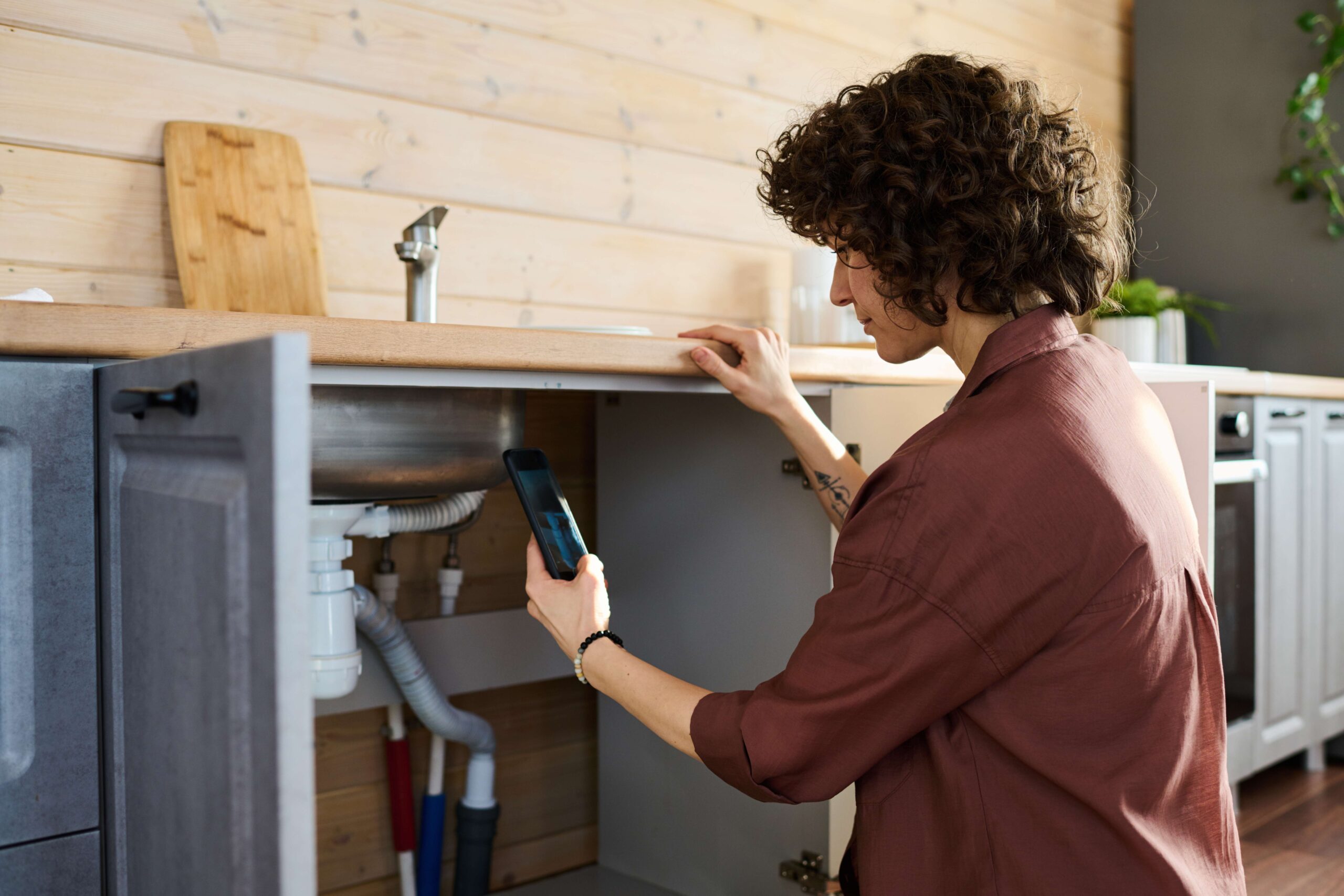
Valve Installation Tips to Avoid Common Errors
Proper valve installation is essential for maintaining a safe and efficient plumbing system. Whether you are replacing an old valve or installing a new one, even small mistakes can lead to leaks, poor water flow, and costly repairs.
Understanding the most common valve installation errors can help homeowners protect their plumbing systems and avoid unnecessary problems.
Why Proper Valve Installation Matters
Plumbing valves control the flow of water throughout your home or business. A properly installed valve helps:
- Prevent leaks
- Improve water control
- Protect pipes and fixtures
- Ensure safe operation
- Extend the lifespan of the plumbing system
Incorrect installation can lead to water damage and expensive repairs.
Common Valve Installation Mistakes
1. Choosing the Wrong Valve
Different plumbing systems require different valve types. Using the wrong valve can cause performance issues and water flow problems.
Common valve types include:
- Shut-off valves
- Check valves
- Pressure-reducing valves
- Ball valves
Always ensure the valve matches the intended application.
2. Improper Sizing
Using the wrong valve size can reduce water pressure or restrict flow.
A valve that is too small may strain the system, while an oversized valve may not function efficiently.
Correct sizing is critical for proper plumbing performance.
3. Poor Sealing and Connections
Loose or improperly sealed fittings are one of the most common causes of leaks after valve installation.
To avoid leaks:
- Tighten connections properly
- Use appropriate sealing materials
- Inspect fittings carefully before use
Small leaks can quickly become major plumbing problems.
4. Incorrect Valve Direction
Many valves are designed to control water flow in a specific direction.
Installing the valve backward can:
- Restrict water flow
- Damage the system
- Reduce efficiency
Always check the flow direction markings before installation.
5. Over-Tightening Connections
Over-tightening can damage threads, crack fittings, or weaken the valve itself.
Proper installation requires balanced pressure and careful handling.
6. Ignoring Water Pressure Issues
High water pressure can place stress on valves and pipes.
Before installation:
- Check system pressure
- Ensure compatibility with the valve rating
Pressure problems can shorten the lifespan of plumbing components.
Tips for Successful Valve Installation
To ensure proper valve installation:
- Use the correct valve type and size
- Follow manufacturer guidelines
- Inspect pipes before installation
- Test for leaks after installation
- Hire a licensed professional for complex work
Professional installation helps avoid long-term plumbing issues.
When to Replace a Plumbing Valve
You may need valve replacement if you notice:
- Water leaks around the valve
- Difficulty turning the valve
- Corrosion or rust
- Reduced water flow
- Frequent plumbing issues
Replacing faulty valves early prevents bigger problems later.
Why Professional Valve Installation Is Recommended
Licensed plumbers have the tools and experience to ensure safe and accurate installation.
Professional services help:
- Prevent leaks and water damage
- Ensure code compliance
- Improve plumbing efficiency
- Extend system lifespan
At New Well Plumbing & Heating, our experienced technicians provide reliable valve installation and plumbing services across Ajax, Whitby, Pickering, and nearby areas.