
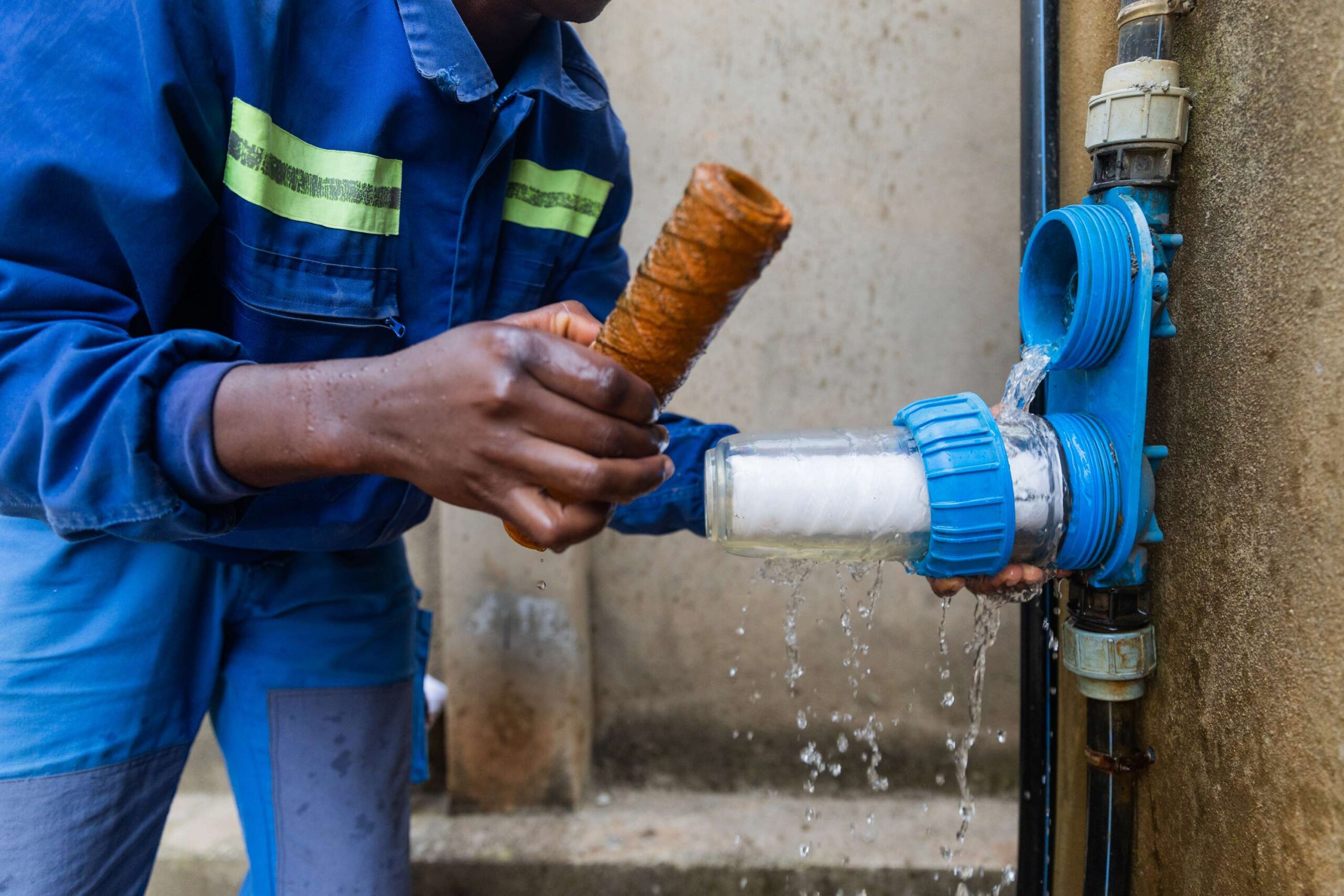
Tips for Plumbing Valve Installation to Avoid Common Errors
Proper plumbing valve installation is essential for ensuring your plumbing system works safely and efficiently. Valves control water flow throughout your home, and even a small mistake during installation can lead to leaks, pressure issues, or costly repairs.
Whether you’re installing a new shutoff valve or replacing an old one, following the right steps can help you avoid common errors.
Why Proper Plumbing Valve Installation Matters
A correctly installed valve helps:
- Control water flow effectively
- Prevent leaks and water damage
- Ensure safe and reliable operation
- Extend the lifespan of your plumbing system
Poor installation can result in serious plumbing issues that require professional repair.
1. Choose the Right Type of Valve
Not all valves are the same. Selecting the correct valve for your application is the first step in proper plumbing valve installation.
Common types include:
- Ball valves
- Gate valves
- Check valves
- Shutoff valves
Using the wrong type can affect performance and lead to future problems.
2. Turn Off the Water Supply First
One of the most common mistakes is forgetting to shut off the main water supply before starting.
Always:
- Turn off the main water line
- Drain remaining water from pipes
- Ensure the work area is dry
This prevents accidental leaks and water damage during installation.
3. Ensure Proper Alignment
Misaligned valves can cause stress on pipes and lead to leaks over time.
Make sure:
- The valve fits properly with the pipe
- Connections are straight and secure
- There is no unnecessary pressure on joints
Proper alignment is key to a long-lasting installation.
4. Use Quality Materials and Tools
Using low-quality parts or incorrect tools can lead to poor results.
For reliable plumbing valve installation:
- Use high-quality valves and fittings
- Apply proper sealing materials like Teflon tape
- Use the correct tools for tightening connections
This ensures a secure and leak-free setup.
5. Avoid Overtightening Connections
Overtightening is a common mistake that can damage threads and fittings.
Instead:
- Tighten connections firmly but not excessively
- Check for leaks after installation
- Adjust if necessary
A balanced approach helps prevent cracks and long-term damage.
6. Test the Valve After Installation
After completing the installation, always test the valve.
Steps to follow:
- Turn the water supply back on slowly
- Check for leaks around connections
- Ensure the valve opens and closes smoothly
Testing ensures your plumbing valve installation is done correctly.
7. Know When to Call a Professional
While some installations may seem simple, mistakes can be costly. If you’re unsure, it’s best to call a professional plumber.
New Well Plumbing & Heating provides expert valve installation and plumbing services across Ajax, Whitby, and Pickering.
Common Mistakes to Avoid
Here are some errors homeowners often make:
- Using the wrong valve type
- Skipping proper sealing
- Installing without shutting off water
- Ignoring alignment issues
- Not testing after installation
Avoiding these mistakes ensures a safe and efficient plumbing system.
Why Choose New Well Plumbing & Heating
Homeowners trust New Well Plumbing for:
- Over 10 years of experience
- Licensed and skilled technicians
- Reliable and efficient service
- Modern tools and techniques
- Transparent pricing
We ensure every plumbing valve installation is done correctly the first time.